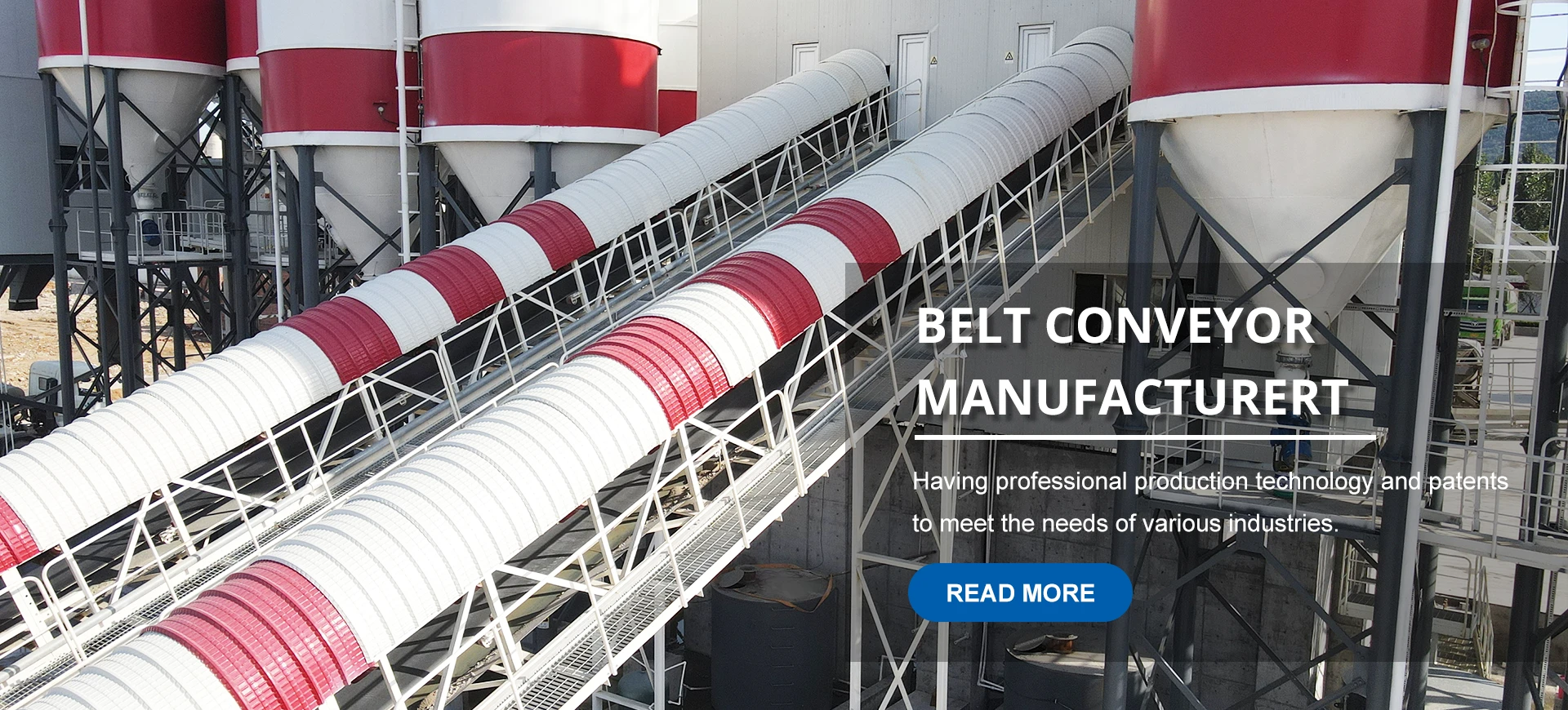
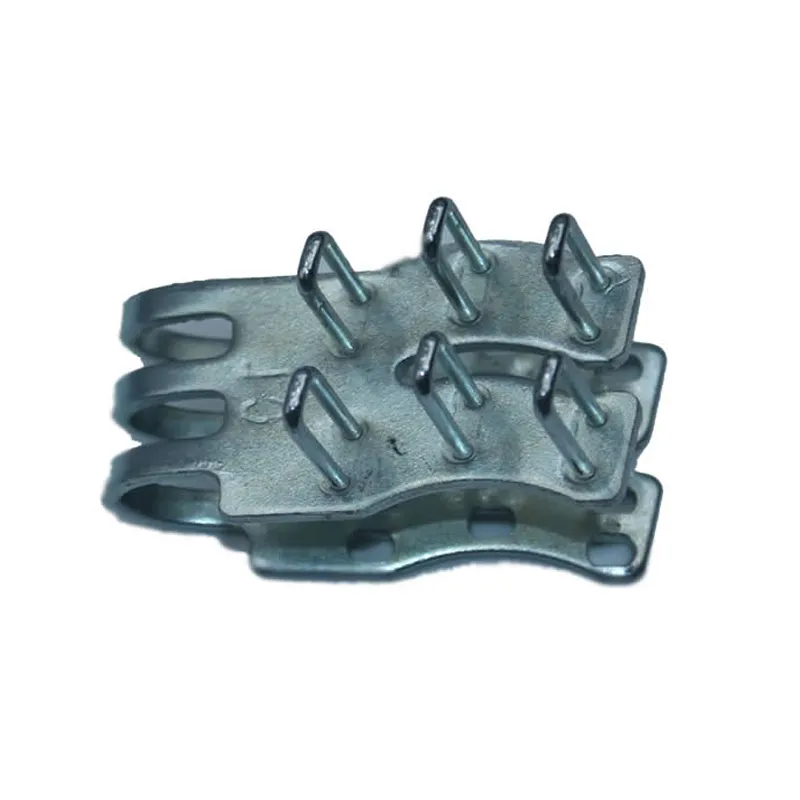
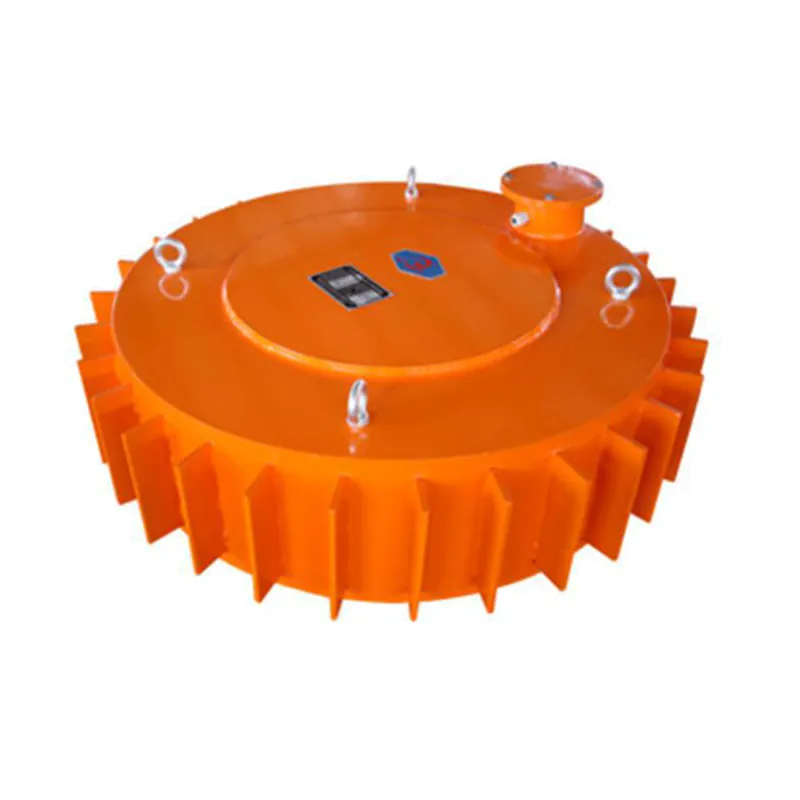
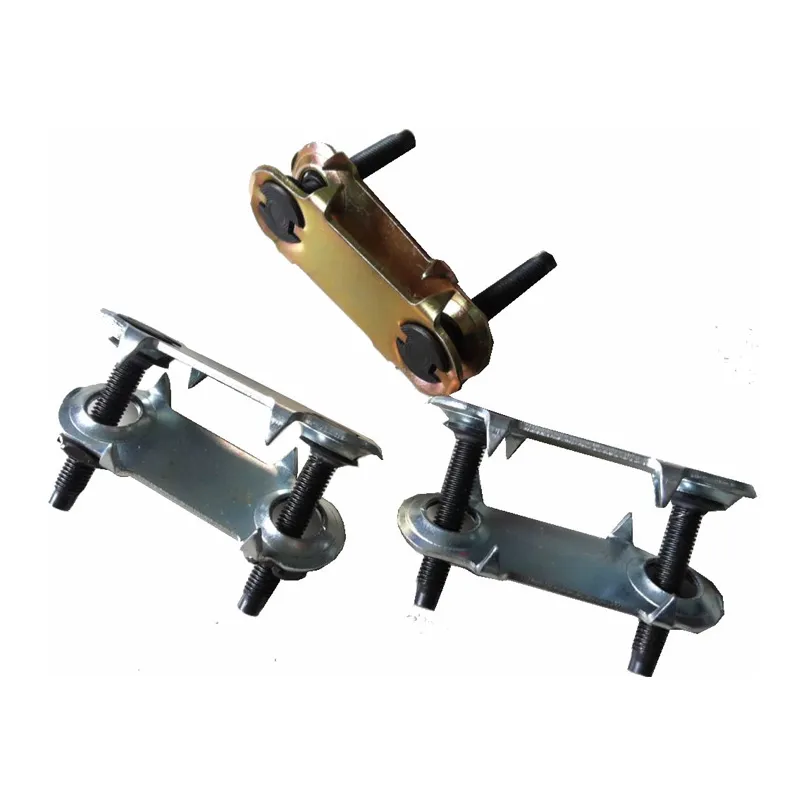
Introduction to Advanced Magnetic Separation Technology In industrial processing, the removal of ferrous contaminants from bulk materials is critical for protecting downstream machinery, ensuring product purity, and enhancing operational safety. The magnetic separator conveyor represents a cornerstone technology in this endeavor, efficiently extracting tramp iron and other magnetic particles from a wide array of materials. These sophisticated systems integrate the continuous material transport capabilities of a conveyor with powerful magnetic fields, offering an indispensable solution across diverse heavy industries. This comprehensive overview delves into the technical intricacies, application versatility, and strategic advantages of modern magnetic separation systems, catering to the exacting demands of B2B decision-makers and engineering professionals. Key Industry Trends in Magnetic Separation The landscape of material handling and processing is continually evolving, driving innovation in magnetic separation technologies. Current industry trends highlight a significant push towards automation, energy efficiency, and enhanced separation precision. Manufacturers are increasingly demanding systems that offer higher magnetic field strengths with reduced power consumption, alongside intelligent controls for optimized operation. The integration of IoT and predictive maintenance features is also gaining traction, allowing for real-time performance monitoring and minimized downtime. Furthermore, there's a growing emphasis on modular designs that facilitate easier installation, maintenance, and scalability to meet varying production needs. The demand for robust, corrosion-resistant materials for components, particularly in harsh operating environments, is also a prominent trend, reflecting the need for longer service life and reduced total cost of ownership. Technical Specifications of a Permanent Magnetic Separator Conveyor A Permanent Magnet Iron Remover, typically configured as a magnetic separator conveyor , is engineered for continuous operation, providing robust and reliable ferrous material extraction. Key technical specifications dictate its performance and suitability for various applications. Understanding these parameters is crucial for optimal system selection and integration. Typical Product Specification Table Parameter Specification Notes Magnetic Material High-performance Rare Earth Magnets (e.g., NdFeB) Ensures strong, consistent magnetic field Magnetic Field Strength Typically 3000-8000 Gauss on belt surface Adjustable based on application; critical for fine particle removal Belt Material Heavy-duty PVC, PU, or Rubber (oil, heat, abrasion resistant) Selected for durability and application environment Belt Speed 0.5 - 2.5 m/s (variable speed drive options) Optimized for material flow and separation efficiency Operating Temperature -10°C to +80°C (customizable for extremes) Consideration for industrial environments Separation Distance 50-300 mm (from material bed) Dependent on magnetic system design and material burden depth Power Requirements 380V/50Hz/3-Phase (customizable) For conveyor motor; permanent magnets require no external power Housing Material Stainless Steel (SS304/316) or robust painted Carbon Steel For corrosion resistance and structural integrity These specifications are generalized, and precise values will vary based on the specific model and customization options. Engineered solutions often involve tailoring magnetic intensity, belt width, and overall structural design to meet unique site requirements and material characteristics, ensuring maximum efficiency for the given application. For instance, in heavy-duty mining applications, a larger separation distance with an exceptionally strong magnetic field might be required to extract larger pieces of tramp metal from deep material burdens. The Manufacturing Process of a Magnetic Separator Conveyor The production of a high-quality magnetic separator conveyor involves a meticulous process, combining advanced engineering with precision manufacturing. This process ensures the durability, efficiency, and reliability of the final product. Process Flow Overview: Design and Engineering: Initial conceptualization and detailed engineering drawings are created using CAD software, specifying magnetic circuit design, structural components, and control systems. Material selection (e.g., high-grade stainless steel, specific rare-earth magnet alloys) is critical at this stage, focusing on target industry needs like corrosion resistance for petrochemical or robust durability for metallurgy. Magnetic Core Fabrication: Magnet Sourcing & Assembly: High-grade rare-earth magnets (e.g., Neodymium-Iron-Boron, NdFeB) are sourced from certified suppliers. These are then precisely arranged and encapsulated within a stainless steel housing to form the powerful magnetic array, ensuring optimal magnetic field distribution and strength. Magnetization: For certain designs, unmagnetized magnet blocks may undergo a controlled magnetization process to achieve specified field strengths. Structural Component Manufacturing: Metal Fabrication: Steel plates and profiles for the conveyor frame, chutes, and support structures undergo cutting, bending, and welding. High-precision CNC machining is often employed for critical components to ensure exact tolerances and perfect fit. For harsh environments, marine-grade stainless steel (e.g., SS316) might be used for enhanced corrosion resistance. Surface Treatment: Components receive appropriate surface treatments, such as sandblasting, priming, and industrial-grade powder coating or painting, to enhance durability and environmental resistance. Belt and Drive System Integration: Conveyor Belt Assembly: The choice of conveyor belt (e.g., multi-ply rubber, PVC, PU) is matched to the application's material handling needs and environmental conditions. Belts are spliced and fitted onto rollers. Motor and Gearbox Installation: High-efficiency motors and precision gearboxes are installed, ensuring reliable and consistent belt movement. Variable frequency drives (VFDs) are often integrated for speed control and energy saving. Electrical and Control Systems: Wiring of motors, sensors, and control panels is completed. Programmable Logic Controllers (PLCs) are configured for automated operation, safety interlocks, and process monitoring. Quality Control & Testing: Each unit undergoes rigorous testing. Magnetic Field Strength Verification: Gauss meters are used to verify the magnetic field strength and uniformity across the separation zone, adhering to internal standards and client specifications. Functional Testing: The conveyor system, motor, and control logic are tested for operational integrity, speed accuracy, and safety features. Adherence to Standards: Products are manufactured and tested in accordance with international standards such as ISO 9001 for quality management, and may meet specific ANSI or other regional standards for safety and performance, ensuring a service life often exceeding 10-15 years with proper maintenance. Final Assembly and Shipping: Components are assembled, final inspections conducted, and the unit is prepared for dispatch. This detailed process ensures that each magnetic separator conveyor is not only robust and efficient but also precisely tailored to its intended application, offering significant advantages like energy saving through optimized motor efficiency and unparalleled corrosion resistance in demanding environments. Application Scenarios and Technical Advantages The versatility of the magnetic separator conveyor makes it indispensable across a multitude of industries, where the purity of materials and protection of equipment are paramount. The benefits extend beyond simple contaminant removal, offering significant operational and economic advantages. Target Industries: Mining & Aggregates: Protecting crushers, mills, and other processing equipment from tramp iron such as drill bits, bucket teeth, and other metallic debris. Recycling: Essential for separating ferrous metals from mixed waste streams, increasing the value of recovered materials. Food Processing: Ensuring product safety and compliance by removing tiny metallic fragments from grains, spices, and other food ingredients. Plastics & Rubber: Preventing damage to extruders and injection molding machines by removing ferrous particles from raw material pellets. Ceramics & Glass: Enhancing the quality of final products by eliminating iron contaminants that can cause defects. Petrochemical: Protecting sensitive processing equipment from metallic contaminants that could cause sparks or damage, and ensuring product purity. Metallurgy: Critical in scrap metal processing and in separating valuable non-ferrous materials from ferrous. Water Supply & Drainage: In certain filtration or sludge treatment processes, removing magnetic particles can be beneficial. Technical Advantages: Superior Separation Efficiency: Utilizing powerful rare-earth magnetic arrays, these systems achieve very high separation rates, even for fine ferrous particles, significantly improving product purity. Our systems have demonstrated up to 99% ferrous removal efficiency in controlled tests for particles > 1mm. Equipment Protection: By removing damaging tramp iron, the service life of expensive downstream processing equipment (crushers, grinders, shredders) is significantly extended, leading to reduced maintenance costs and unplanned downtime. Energy Saving: Permanent conveyor magnets require no electrical power for their magnetic field, leading to substantial energy savings compared to electromagnetic separators. The conveyor drive motors are also typically high-efficiency, further contributing to lower operational costs. Corrosion Resistance: Components exposed to harsh environments are constructed from corrosion-resistant materials like stainless steel (e.g., SS304, SS316), ensuring longevity and reliability in applications involving moisture, chemicals, or abrasive materials. Low Maintenance: Permanent magnet systems feature a simple, robust design with minimal moving parts (primarily the conveyor belt and motor), resulting in lower maintenance requirements and increased uptime. Continuous Self-Cleaning: The integrated conveyor belt system provides continuous, automatic removal of separated ferrous material, eliminating the need for manual cleaning and ensuring uninterrupted operation. Enhanced Safety: Reducing the presence of metallic contaminants mitigates the risk of sparks, explosions, and blockages, contributing to a safer operational environment. These combined advantages underscore why the magnetic conveyor belt solution is a preferred choice for industries prioritizing efficiency, safety, and long-term cost-effectiveness. Vendor Comparison and Customized Solutions Selecting the right supplier for a magnetic separator conveyor is a critical decision that impacts operational efficiency and return on investment. While many vendors offer standard solutions, a truly effective partnership emphasizes customization, quality, and comprehensive support. Key Differentiators in Vendor Selection: Criteria Leading Vendor (e.g., HG Conveyor Belt) Standard Vendor Magnetic Strength & Design Proprietary multi-pole magnet configuration, highest surface gauss levels. Optimized for depth and width. Standard magnet array, adequate for basic applications but limited in depth/fine particle capture. Material & Build Quality High-grade stainless steel (SS304/316) for all contact parts, robust heavy-duty frames. ISO 9001 certified. Painted carbon steel, basic quality materials. May not withstand harsh environments long-term. Customization Capabilities Extensive engineering support for tailored solutions: custom sizes, magnet strengths, belt types, integration with existing lines. Limited standard models, minor modifications only. Automation & Controls Optional VFDs, integrated PLCs, remote monitoring capabilities, safety interlocks. Basic on/off controls, minimal automation features. After-sales Support Dedicated technical support, spare parts availability, comprehensive warranty (2+ years), installation & commissioning assistance. Limited support, basic warranty (1 year), potentially long lead times for parts. Certifications & Experience ISO, CE certified. Decades of experience, numerous successful installations in demanding industries. Authoritative references and test data readily available. Basic certifications, limited industry-specific experience. Leading manufacturers distinguish themselves through a commitment to engineering excellence and an understanding that off-the-shelf solutions rarely fully address complex industrial challenges. Our approach involves a detailed analysis of the client's material characteristics, throughput requirements, installation environment, and specific contaminants. This allows us to design and manufacture a custom magnetic separator conveyor that maximizes separation efficiency, minimizes operational costs, and integrates seamlessly into existing plant infrastructure. For example, a client processing damp, abrasive coal may require a specific belt material and housing treatment for corrosion resistance, coupled with an extra-strong magnet system to penetrate a deep material burden. Such tailored solutions ensure optimal performance and long-term reliability. Application Case Studies Real-world applications demonstrate the tangible benefits of integrating a high-performance magnetic separator conveyor into industrial processes. Case Study 1: Iron Ore Processing Plant A major iron ore processing facility in Western Australia faced frequent damage to its secondary crushing equipment due to tramp iron, leading to significant downtime and costly repairs. After detailed consultation, a custom-engineered overhead permanent magnetic conveyor belt system with an exceptionally strong rare-earth magnet array (peak surface field strength of 7500 Gauss) was installed above the main feed conveyor. Within the first six months, the system consistently removed an average of 1.5 tons of tramp iron per week, including large rebar sections and manganese steel fragments. This resulted in a 40% reduction in crusher wear part replacement frequency and a projected annual savings of $500,000 in maintenance and lost production, demonstrating rapid ROI. Case Study 2: Municipal Solid Waste (MSW) Recycling Facility A large MSW recycling plant struggled with inefficient ferrous metal recovery from its mixed waste stream, impacting the quality of other recyclables and reducing revenue from scrap sales. We implemented a series of self-cleaning permanent conveyor magnets at various stages of their sorting line. The system successfully increased ferrous recovery rates by 25% (from 72% to 90%) and significantly reduced metallic contamination in the plastic and paper fractions. Operator feedback highlighted the low maintenance requirements and the continuous, automated nature of the cleaning process as major operational improvements. The improved purity of sorted materials also commanded higher market prices, leading to a 15% increase in overall recycling revenue. Case Study 3: Food Ingredient Production A global food ingredient manufacturer needed to eliminate minute ferrous contaminants (e.g., rust, wear particles) from finely ground spices to meet stringent FDA and global food safety standards. Traditional methods proved inadequate for sub-millimeter particles. A specialized magnetic separator conveyor with ultra-high-intensity rare-earth magnets positioned directly beneath a thin layer of material was deployed. This system achieved an unprecedented 99.8% removal rate for ferrous particles as small as 0.2 mm, far exceeding previous capabilities. The client reported zero metallic contamination incidents since installation, significantly enhancing product quality assurance and brand reputation. Trustworthiness & Support: FAQ, Lead Time, Warranty, Customer Support Frequently Asked Questions (FAQ) Q: What is the typical service life of your permanent magnetic separator conveyor systems? A: With proper installation and routine maintenance, our permanent magnetic separation systems are designed for a service life of 15-20 years or more. The permanent magnets themselves retain their strength for decades with minimal degradation (<1% over 10 years). Q: Can your magnetic separators handle different types of bulk materials? A: Yes, our systems are highly versatile. We custom-design units to effectively process a wide range of materials, including dry, damp, granular, powdery, lumpy, and abrasive substances. Material characteristics such as density, particle size, and flow properties are factored into the design. Q: What maintenance is required for a permanent conveyor magnets system? A: Permanent magnetic separators are relatively low maintenance. Routine checks include inspecting the conveyor belt for wear, lubricating bearings, and ensuring the drive system is functioning correctly. No demagnetization or power source maintenance for the magnets themselves is required. Q: How do I choose the correct magnetic separator for my application? A: Our experienced engineers will guide you. We'll need details on your material (type, size, flow rate), the nature of contaminants, required separation efficiency, and installation constraints. We then recommend the optimal magnetic field strength, belt width, and system configuration. Lead Time & Fulfillment Standard models of our magnetic separator conveyor units typically have a lead time of 4-6 weeks from order confirmation. For highly customized solutions or large-scale projects, lead times may range from 8-12 weeks, depending on design complexity and material sourcing. We maintain efficient production schedules and provide transparent communication on delivery timelines to ensure projects stay on track. Warranty Commitments We stand behind the quality and durability of our products. All our magnetic separator conveyor systems come with a comprehensive 2-year warranty covering manufacturing defects and component failures under normal operating conditions. The permanent magnetic array itself carries an extended 10-year warranty, guaranteeing long-term magnetic field strength. Detailed warranty terms are provided with each quotation. Customer Support Information Our commitment to our clients extends far beyond the sale. We offer dedicated after-sales support including technical assistance, troubleshooting, spare parts availability, and maintenance guidance. Our global network of service engineers is available for on-site support, installation supervision, and commissioning. Clients can reach our support team via phone, email, or through our online portal for prompt assistance, ensuring continuous and efficient operation of their magnetic separation equipment. We pride ourselves on building lasting partnerships through reliable service. Conclusion The modern magnetic separator conveyor stands as an essential component in diverse industrial sectors, offering an unparalleled solution for ferrous contamination removal. Its technical advantages, including superior separation efficiency, energy conservation, and robust construction, translate directly into enhanced operational safety, extended equipment lifespan, and improved product quality. By partnering with a vendor committed to engineering excellence, customization, and comprehensive after-sales support, industries can leverage these advanced systems to achieve optimal performance and long-term economic benefits. Investing in a high-quality magnetic separation system is not merely a purchase; it's a strategic decision that fortifies operational integrity and drives sustainable productivity. References Magnetic Separation. (n.d.). In Britannica . Retrieved from https://www.britannica.com/technology/magnetic-separation ISO 9001:2015 - Quality management systems — Requirements. (n.d.). Retrieved from https://www.iso.org/standard/62085.html Tramp Iron Removal in Aggregate Production. (n.d.). Minerals Processing Magazine . Retrieved from industry reports and publications. Rare-earth Magnets and Their Applications. (n.d.). Journal of Magnetism and Magnetic Materials . Retrieved from academic databases.